
Designing sustainable landscaping for the Canadian climate
In the face of temperature fluctuations, landscape planning is crucial. It is important to prioritize frost-resistant materials and hardy biodiversity that can thrive during the shortened growing season.
Zoning and design of outdoor living spaces
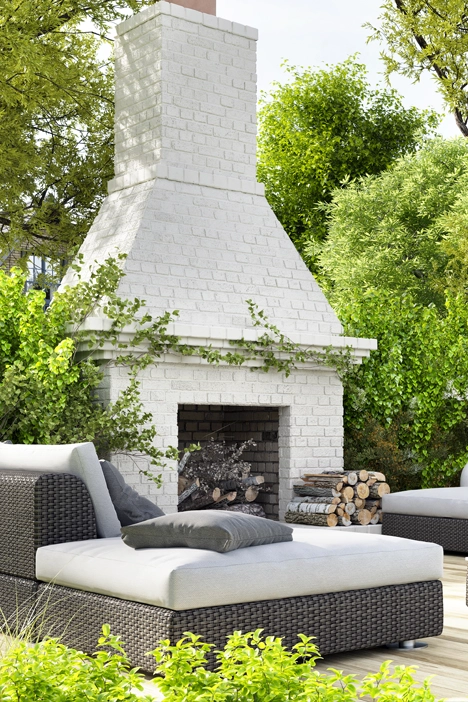

Shaded relaxation areas
Installing bioclimatic pergolas provides adjustable sun protection during the summer.

Equipped outdoor kitchens
These sturdy lunch counters allow cooking without overheating the home.

Inviting outdoor fireplaces
A well-designed fire corner becomes the central gathering spot as temperatures drop.
Architectural envelope
Harmonizing architecture and green space
Openings connect the indoors to nature. Large energy-efficient windows or patio doors blur the boundary, turning the surrounding greenery into an extension of the living room throughout the seasons.
Horticultural selection adapted to the hardiness zone
Sustainable landscaping respects the zone. These native plants tolerate the northern climate, require minimal inputs, and are more resistant to pathogens than exotic species.
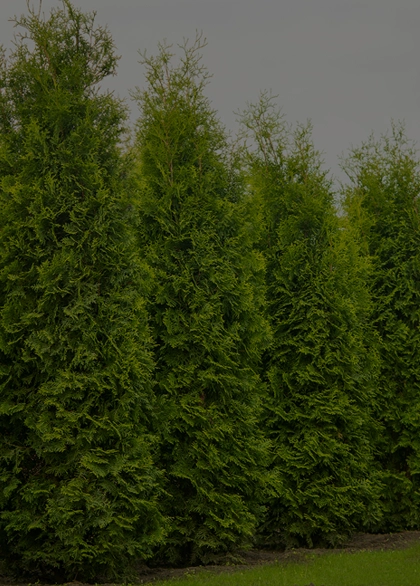
Evergreen conifers
They provide structure to the winter landscape and shelter local birdlife.
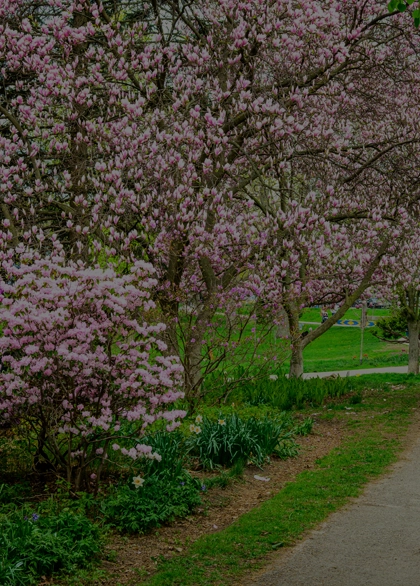
Spring-flowering shrubs
Their bloom brings color and early harvests after the snow melts.

Soft ornamental grasses
Their movement enlivens garden beds and adds a light texture in autumn.
Garden furniture and lounge decor
Outdoor furniture combines design with climate resistance. Waterproof fabrics and powder-coated aluminum frames withstand moisture and coastal saline conditions.
Outdoor rugs and solar ambient lighting warm the atmosphere, creating a true open-air garden lounge.
Integrating a productive and aesthetic vegetable garden
Growing your own fruits and vegetables is becoming increasingly popular, driven by the desire for authentic flavors and food autonomy. Using raised red cedar beds makes crop maintenance more ergonomic and promotes faster soil warming in spring, optimizing the harvest period for heat-loving vegetables such as tomatoes and peppers.
The smart combination of edible flowers and herbs within vegetable rows creates a balanced ecosystem that attracts essential pollinators.
Seasonal landscape maintenance schedule
Landscape maintenance varies according to the cycle. Opening up the grounds aerates the soil, while winter closure protects structures from snow loads.

Formative pruning
This intervention controls shrub volume and stimulates flowering.

Irrigation management
Adjusting irrigation systems according to actual rainfall prevents potable water waste.

Organic mulching
Applying mulch at the base of plants preserves soil moisture and limits weeds.
Outdoor landscaping projects
Rigorous planning for major works
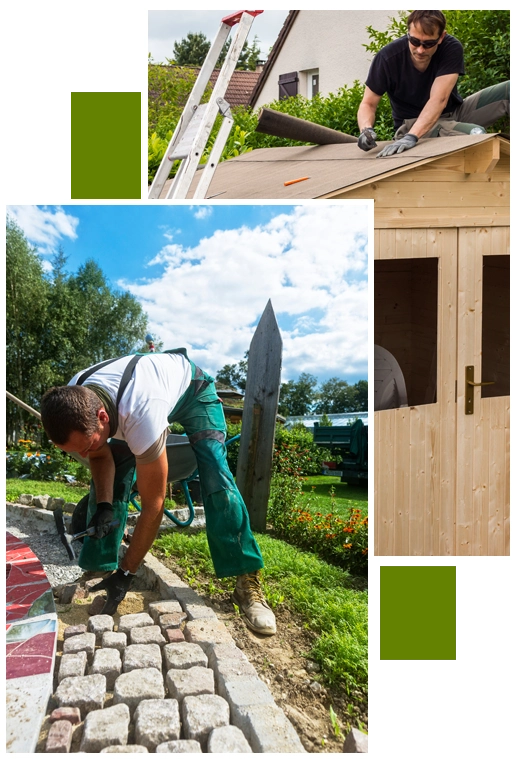
Executing large-scale projects, such as excavating for an in-ground pool or reshaping the terrain, requires precise logistical coordination. It is crucial to verify the location of underground utilities before any digging and to comply with municipal regulations regarding setbacks and stormwater drainage to avoid future disputes.
Durability of construction materials
The longevity of outdoor structures depends on their resistance to continental temperature cycles.
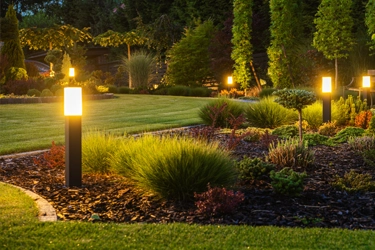
Low-voltage landscape lighting
Illuminated pathways ensure safe nighttime movement while highlighting architectural and plant textures. LED systems consume very little energy.
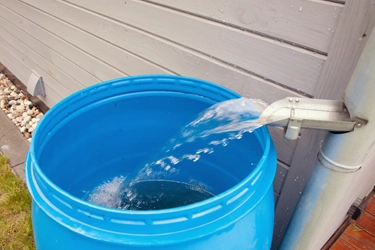
Rainwater management strategies
Rain gardens facilitate natural infiltration on the site, reducing pressure on stormwater drains.
Property value enhancement and quality of life
A well-designed outdoor space significantly increases the market value of a residential property while providing a healthy and calming living environment. It is an investment that enhances the daily well-being of occupants.
Creating a personal outdoor retreat promotes disconnection and the mental rejuvenation that is essential.