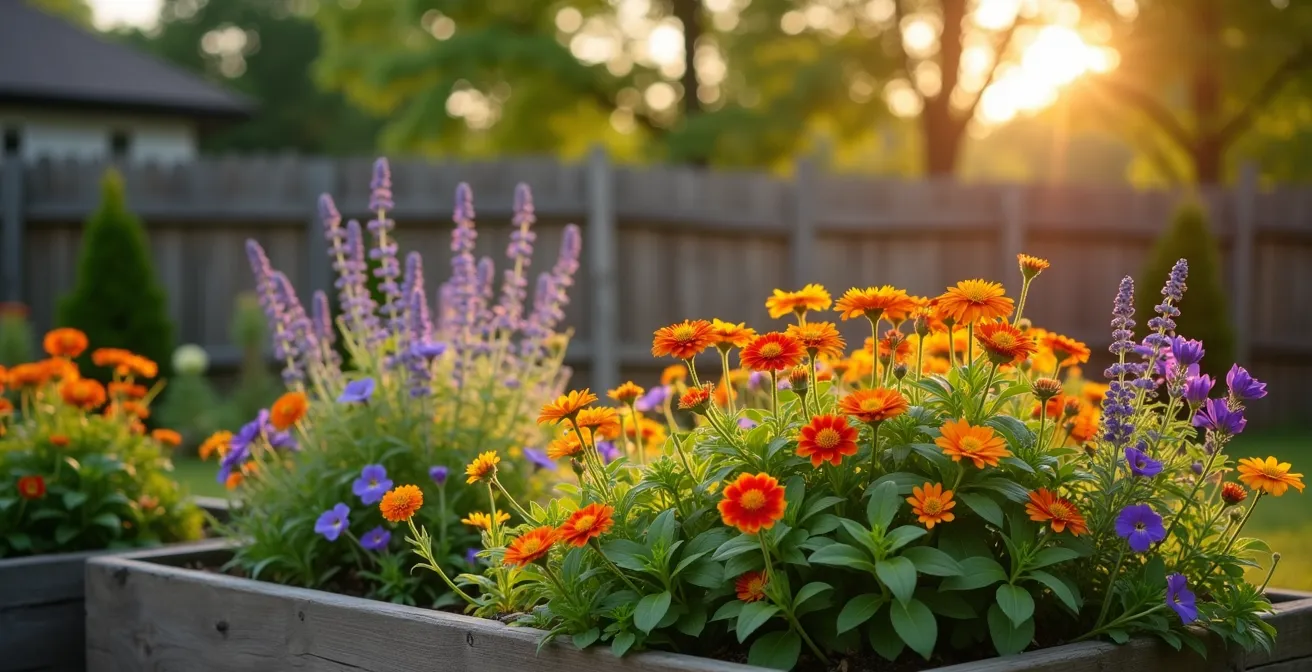
The art of using edible flowers lies not in variety, but in mastering a few safety rules and chef techniques.
- Never consume a flower that is not certified organic or comes from a florist.
- Not every part of the flower is edible; often, only the petals are.
- The timing of the harvest and the storage method dictate the intensity of the flavor.
Recommendation: Start by growing 2-3 varieties yourself (nasturtium, pansy) to master the entire chain, from garden to plate.
Imagine the scene: you serve a summer salad, and your guests’ eyes light up. It’s not the vegetables that catch their attention, but that delicate, colorful finishing touch: a few perfectly arranged flower petals. Using edible flowers is the best-kept secret for transforming an ordinary dish into a chef-worthy creation. Yet, many hosts settle for tossing a few nasturtiums onto a salad, thinking that color alone is enough to create the desired effect.
This approach, while visually pleasing, misses the point. Floral gastronomy is a subtle art that goes far beyond simple decoration. It hides unknown risks and precise techniques that separate the amateur from the connoisseur. But what if the real key wasn’t knowing dozens of varieties, but rather mastering the few critical mistakes to never commit and the storage secrets that preserve their aromatic signature?
This article is not just a list of flowers. It is a strategic guide to teaching you how to think like a chef-gardener. We will deconstruct myths, reveal why a garden center flower can be a hidden danger, and give you the keys to choosing, picking, preserving, and pairing flowers for maximum impact, in complete safety. Get ready to take your cooking up a notch.
To guide you through this fascinating world, this article is structured to take you from essential precautions to the most advanced techniques. Here is the path we propose.
Table of Contents: Mastering the Art of Cooking with Edible Flowers
- The mistake of eating the whole flower when only the petal is edible (e.g., daylily)
- Why you should never eat a flower bought from a non-certified organic garden center
- Peppery or sweet: which flower to pair with a chocolate dessert vs. a green salad?
- Picking in the morning or evening: when are the flowers’ essential oils at their peak?
- How to keep your edible flowers fresh for 3 days in the fridge without them wilting
- Why planting French marigolds at the base of tomatoes isn’t just about looks
- Which shrubs fragrance the whole neighborhood starting in May?
- Herb spirals or window boxes: where to plant your herbs so they actually end up in the pan?
The mistake of eating the whole flower when only the petal is edible (e.g., daylily)
The first golden rule of floral gastronomy is simple: not all parts of an edible flower are necessarily edible. This is the most common and potentially most dangerous mistake. Thinking that a flower labeled “edible” can be consumed entirely, from the stem to the pistil, is a misconception. In many cases, only the petals are free of toxicity or bitter flavors. The stamens and pistil, for example, can contain pollen that causes allergies, while the calyx (the green base of the flower) is often tough and unpleasant to eat.
The daylily is a textbook case: its petals and flower buds are delicious, but its leaves and roots are toxic. Confusion can have serious consequences. Every year, cases of poisoning are recorded, often due to lack of knowledge. In Quebec, confusion between edible wild plants and their toxic look-alikes is a reality. For example, one study reported that 962 cases of exposure to toxic plants were submitted to the Quebec Poison Centre in a single year, several of which required hospitalization.
Before any consumption, it is imperative to educate yourself on the specific flower you wish to use. Never assume. Here are some examples of common flowers and their parts to avoid absolutely:
- Daylily: ONLY the petals and flower buds are edible. The leaves and roots are toxic.
- Foxglove: ENTIRELY TOXIC. Ingestion can cause serious heart problems.
- Rhododendron/Azalea: ALL parts are toxic, causing nausea and neurological disorders.
- Lily of the Valley: EXTREMELY TOXIC. It contains dangerous cardiac glycosides.
In case of doubt or accidental ingestion, speed is crucial. Contact the Quebec Poison Centre immediately at 1-800-463-5060. This precaution is non-negotiable.
Why you should never eat a flower bought from a non-certified organic garden center?
You see beautiful pansies or nasturtiums in a conventional garden center. The temptation is great to buy them to decorate your next cake. However, this is a very bad idea. The greatest danger with edible flowers doesn’t always come from the plant itself, but from what it has absorbed. Ornamental plants sold in standard garden centers are very often treated with systemic pesticides and fungicides not intended for human consumption.
These chemicals, designed to protect the plant from pests and diseases, penetrate all its tissues: roots, stems, leaves, and, of course, the flowers. Unlike a surface pesticide, they cannot be “washed off.” Consuming them is equivalent to directly ingesting these substances. According to experts, even if you grow the plant yourself, you must be patient. According to Espace pour la vie in Montreal, you must wait at least two months after a chemical treatment before you can safely consume a flower, giving the plant time to metabolize and eliminate the residues.
To avoid any risk of “toxic shock,” the rule is simple: only consume flowers whose origin you control 100%. This means prioritizing reliable sources that guarantee the absence of harmful chemicals.
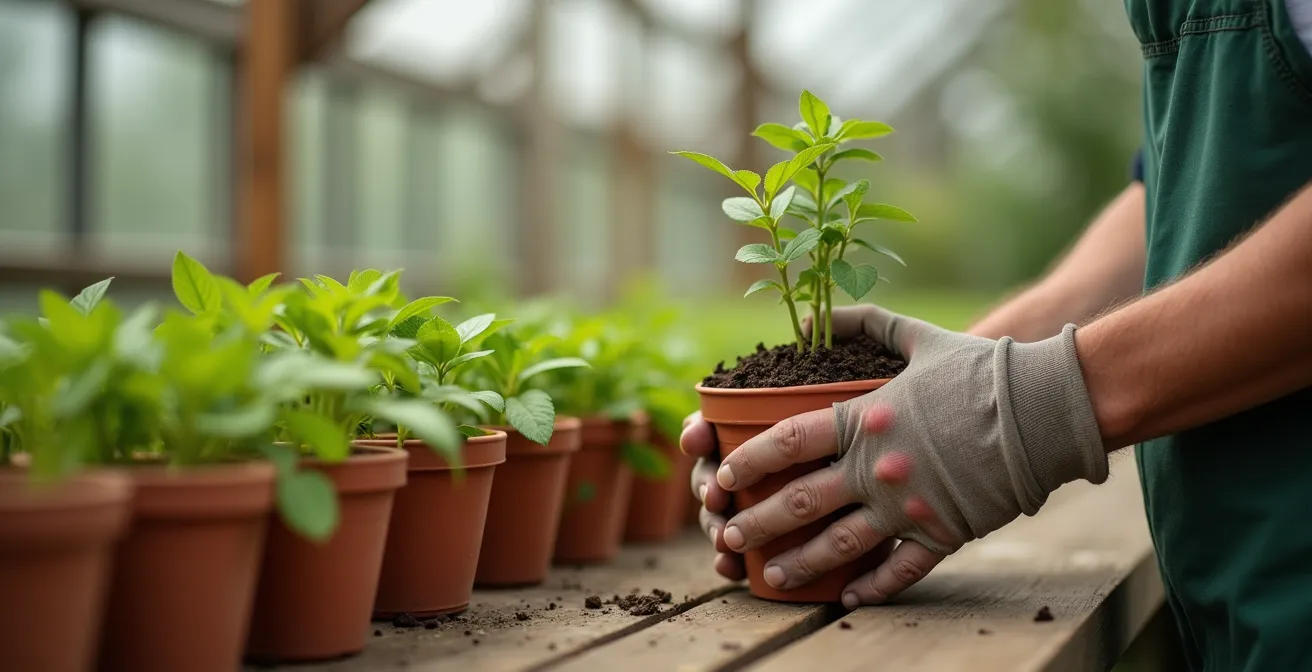
The best way to ensure quality is to follow strict selection criteria. For absolute safety, your quest for edible flowers must focus exclusively on clean supply chains.
- Prioritize plants and seeds that are certified organic or from organic farming.
- Absolutely avoid flowers from florists, which are treated with non-food preservatives to extend their vase life.
- Buy from specialized Quebec producers recognized for their practices, such as Les Jardins de l’Écoumène or Semences du Portage.
- The ultimate guarantee: grow your own flowers from organic seeds.
Peppery or sweet: which flower to pair with a chocolate dessert vs. a green salad?
Once safety is ensured, the art of floral gastronomy truly begins. Each flower has a unique aromatic signature that can enhance a dish or, conversely, create a dissonance. Thinking that all flowers have a delicate and purely floral taste is a mistake. Some, like the nasturtium, surprise with their bold character.
As an expert points out, the perception of floral flavors is often limited. On this subject, Joshua Jarry, horticultural information officer at the Montreal Botanical Garden, notes:
We often think of flower tastes as being delicate. Here, with the nasturtium, we have a fairly full-bodied flavor that, in my opinion, resembles fresh radish.
– Joshua Jarry, Montreal Botanical Garden
This peppery and pungent flavor makes the nasturtium a perfect ally for savory dishes. It wakes up a green salad, enhances a fresh goat cheese, or adds a surprising touch to a carpaccio. Using it on a delicate dessert would be a lapse in taste. Conversely, the pansy, with its sweet and velvety notes, is ideal for pastries. Crystallized in sugar, it becomes an exquisite and edible decoration for a chocolate cake or a panna cotta.
To help you navigate this world of flavors, here is a practical guide to pairings that will allow you to make the right choices to impress your guests.
| Flower Type | Taste Profile | Ideal Pairing | Usage |
|---|---|---|---|
| Nasturtium | Peppery, pungent | Salads, fresh cheeses | Raw petals and leaves |
| Borage | Cucumber notes | Fish, cocktails | Fresh flowers or ice cubes |
| Pansy | Sweet, velvety | Desserts, pastries | Crystallized or fresh |
| Lilac | Floral, fragrant | Maple syrup, infusions | Infused or fresh |
| Bee Balm | Bergamot, citrus | Iced teas, vinaigrettes | Leaves and flowers |
Picking in the morning or evening: when are the flowers’ essential oils at their peak?
You have the right flower, you know its pairings, but to capture its purest essence, another chef’s secret comes into play: the timing of the harvest. Picking a flower at the wrong time of day can considerably diminish its aromatic potential. The concentration of essential oils, which defines the flower’s fragrance and taste, fluctuates throughout the hours and weather conditions.
The sensory peak is generally when the flower is freshest and least stressed by the elements. According to the experts at Ricardo Cuisine, timing is crucial: flowers best maintain their integrity and flavor when picked early in the morning, just after the dew evaporates, or in the late afternoon, just before dusk. The intense heat of the midday sun wilts delicate petals and evaporates precious oils, leaving a less fragrant and less flavorful flower.
The Canadian climate, with its variations, also imposes a certain strategy. Prolonged rain can “wash away” flavors. It is therefore advisable to wait for a dry period so that the aromas can concentrate again. However, not all flowers are equal in the face of these constraints.
- Delicate flowers (borage, pansy): Morning picking is imperative to preserve their fragile texture and subtle fragrance.
- Robust flowers (nasturtium, calendula): They are more tolerant and can be picked at the end of the day without major loss of flavor.
- After the rain: Avoid picking right after a downpour. Wait 24 to 48 hours of dry weather for optimal aroma concentration.
- Flower buds (daylily, hosta): Less sensitive, they can be harvested at different times of the day.
How to keep your edible flowers fresh for 3 days in the fridge without them wilting?
Freshness is the number one enemy of edible flowers. Once picked, their beauty is ephemeral. Leaving them in the open air on the counter, even for a few hours, is enough to see them wilt and lose their crunch. For a host who wishes to prepare their dishes in advance, mastering storage is therefore an indispensable skill. The secret lies not only in the cold but in the management of humidity.
A common mistake is washing the flowers before storing them. Excess water on the delicate petals accelerates their decomposition. Washing should only be done just before serving. For optimal preservation, the airtight container method is the most effective. It allows for the creation of a stable microclimate that preserves both the shape and flavor of the flowers for several days.
The image below perfectly illustrates a storage technique that keeps flowers in impeccable condition, ready to be used to enhance your culinary creations.
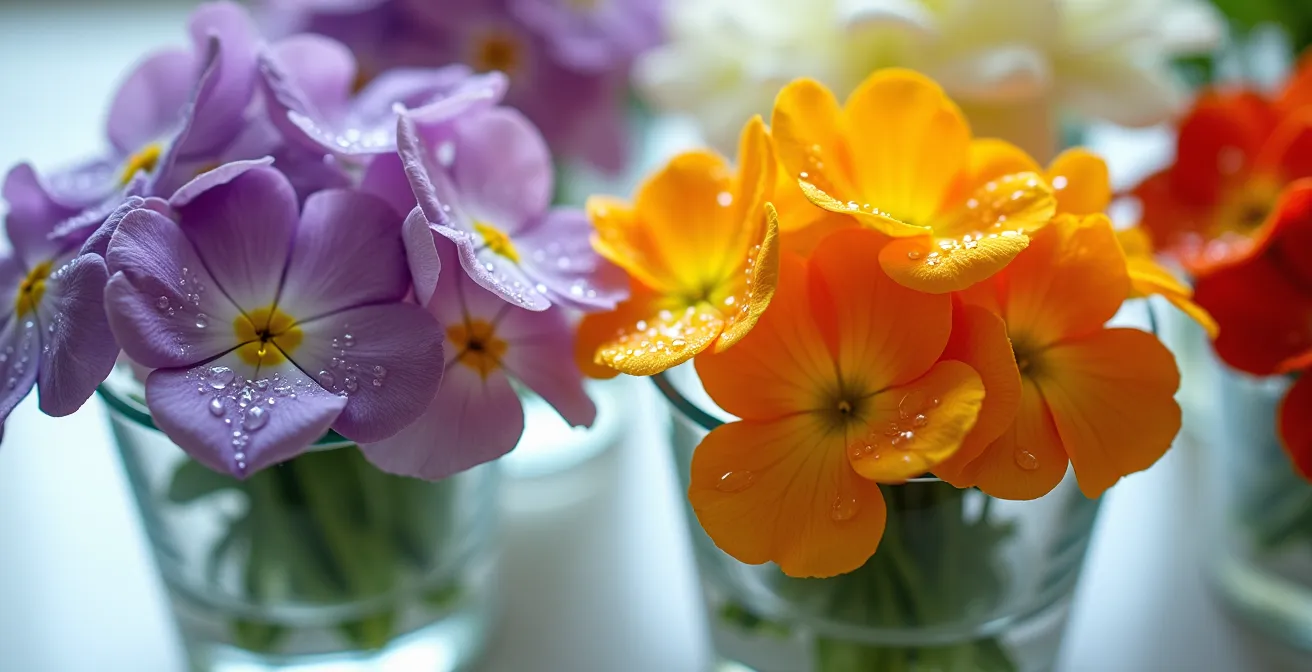
To move from theory to practice and never serve a tired flower again, here is a concrete checklist to apply from your next harvest.
Your Action Plan: Storing Edible Flowers
- Prepare the container: Choose an airtight glass or plastic container and line the bottom with a dry paper towel.
- Arrange the flowers: Gently place the unwashed flowers in a single layer, avoiding overcrowding.
- Create humidity: Place a slightly damp paper towel on top of the flowers, without crushing them.
- Seal and refrigerate: Close the container tightly and place it in the vegetable drawer of the refrigerator. They will keep for 3 to 5 days.
- Special cases: For flowers with stems (lavender, chives), treat them like a bouquet by placing them in a small glass of water in the fridge.
Why planting French marigolds at the base of tomatoes isn’t just about looks?
Beyond the plate, some edible flowers play a crucial role directly in the vegetable garden. Companion planting, or the art of associating certain plants so they protect each other, is an ancestral practice that today finds its scientific justifications. Planting French marigolds (Tagetes) at the base of your tomato plants is not just a simple aesthetic touch; it is an act of strategic companion planting.
The French marigold is more than just a pretty flower. It is a true bodyguard for your vegetables. Its superpower lies in its roots. Indeed, according to organic gardening experts, Tagetes roots secrete thiophene, a natural chemical compound that acts as a bio-pesticide. This substance is particularly effective in repelling nematodes, microscopic worms that attack tomato roots and can wipe out a harvest.
But its role doesn’t stop there. The French marigold also acts as a “trap crop.” It attracts certain pests, like aphids, drawing them away from your precious tomatoes. You sacrifice a few flowers to protect your entire vegetable garden. The bonus? The flower itself is edible. Its petals, with a slightly peppery and citrusy flavor, can be chopped into a salad, adding another dimension to your harvest. You thus get natural protection, a decorative flower, and an additional ingredient for your kitchen. It is the perfect example of an intelligent and productive garden ecosystem.
Which shrubs fragrance the whole neighborhood starting in May?
The sensory experience of the garden is not limited to taste and sight. Scent is an essential component that can transform a simple outdoor space into a haven of peace. From the arrival of the first sunny days, some shrubs have the power to fragrance not only your garden but the entire neighborhood. Choosing the right species, adapted to the Canadian climate, is the key to creating an unforgettable olfactory atmosphere.
The undisputed champion of spring fragrance is undoubtedly the common lilac (Syringa vulgaris). Its sweet and powerful scent is iconic of late May in Canada. Robust, it adapts to many hardiness zones (zones 2 to 7) and its flowers, in addition to their fragrance, are edible and can be used to flavor syrups or sugars. Another essential is the mock orange (Philadelphus). In early summer, it covers itself with white flowers with an enchanting scent, reminiscent of orange blossom.
For a garden that seduces all the senses, including smell, here is a selection of fragrant shrubs particularly well-suited to our latitudes:
- Common Lilac (Syringa vulgaris): Iconic late-spring fragrance, ideal for hardiness zones 2 to 7.
- Mock Orange (Philadelphus): Powerful orange blossom scent in early summer, adapted to zones 3 to 8.
- Serviceberry (Amelanchier): Offers a double reward with its fragrant spring bloom and its delicious edible fruit, “Saskatoon berries.”
- Daphne odora: For an exceptional fragrance in late winter, but reserved for milder zones (zones 7+ like the coast of British Columbia or southern Ontario). Note: this plant is toxic and must not be ingested.
The chef-gardener’s planting tip: position these shrubs near windows, patios, or frequented walkways so the wind carries their scents to you and creates an immersive experience with every pass.
Key Points
- Safety comes first: precisely identify the flower and its edible parts, and ensure its provenance (organic is mandatory).
- Taste is a science: the time of picking (morning or evening) and the storage method (chilled, with controlled humidity) are crucial to preserving aromas.
- Pairing is an art: match flavor profiles (peppery, sweet, aniseed) with the right dishes for a coherent and successful gastronomic experience.
Herb spirals or window boxes: where to plant your herbs so they actually end up in the pan?
Having herbs and edible flowers close at hand is every cook’s dream. However, the best garden layout is one that ensures your plantings actually end up in your dishes. The most determining factor for the regular use of your herbs is not the size of the garden, but its proximity to the kitchen. A magnificent herb spiral at the back of the property is aesthetic, but if it is too far, you will hesitate to go out in the rain for a few sprigs of chives.
As the famous Quebec blogger “The Lazy Gardener” points out, it is very easy to grow edible flowers and herbs in pots or boxes, making this possibility accessible even to those who only have a balcony or a windowsill. This proximity cultivation is the guarantee of maximum use. The choice between a large structure like a spiral and more modest containers therefore depends on your space, your climate, and, above all, your lifestyle.
To help you design an herb garden that is both productive and actually used, here is a comparison of the most common methods, with their advantages and disadvantages in a Canadian context.
| Method | Advantages | Disadvantages | Ideal For |
|---|---|---|---|
| Herb Spiral | Excellent drainage in spring, varied microclimate | Dries quickly in heatwaves, often far from the kitchen | Large gardens, permaculture approach |
| Window Boxes | Maximum proximity, can be brought indoors in winter | Limited space, requires frequent watering | Urban apartments, balconies |
| Mobile Pots | Total flexibility, extends the growing season | Individual maintenance, potentially higher initial cost | Gardeners wanting “four-season” flexibility |
The most effective solution is often a hybrid system: boxes near the kitchen door for everyday herbs (parsley, chives, mint) and a larger space a little further away for bulkier or less frequently used plants. The goal is to minimize the friction between the idea of cooking with a fresh herb and the action of picking it.
Now that you hold the secrets to choosing, picking, storing, and planting your edible flowers, the next step is to put it into practice. Start by planting your own organic nasturtiums and pansies to master the art of floral gastronomy, from seed to plate, and transform every dish into a work of art.